Cyclospora Is Making Headlines—But Researchers Are Looking Beyond Antibiotics
With recent Cyclospora outbreaks linked to contaminated produce, interest has grown in finding therapies beyond the current standard treatment. While trimethoprim-sulfamethoxazole (TMP-SMX, Bactrim) remains the only recommended medication for treating cyclosporiasis, scientists are actively investigating compounds that may one day provide additional options—particularly for patients who cannot tolerate sulfa drugs.
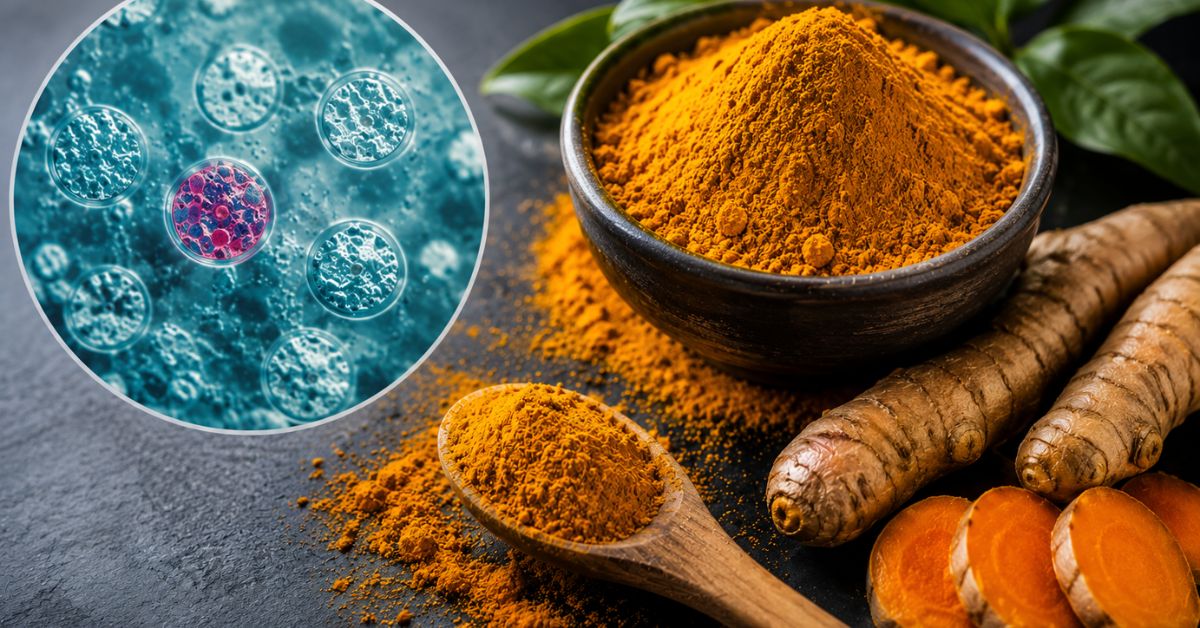
One of the most intriguing candidates is curcumin, the bright yellow polyphenol found in turmeric.
A 2023 experimental study found that nano-formulated curcumin outperformed TMP-SMX in several important laboratory measures in mice infected with Cyclospora, opening the door to new research into how curcumin interacts with parasites and the immune system. However, it’s important to understand exactly what this study showed—and what it did not.
What Is Cyclospora?
Cyclospora cayetanensis is a microscopic protozoan parasite that infects the small intestine.
Symptoms often include:
- Watery diarrhea
- Fatigue
- Abdominal cramping
- Loss of appetite
- Nausea
- Bloating
- Weight loss
Most healthy individuals recover, but symptoms can last for weeks without treatment. In immunocompromised individuals, infection may become prolonged or recurrent.
The Challenge with Current Treatment
Today, TMP-SMX (Bactrim) is considered the drug of choice. Unfortunately, not everyone can take it.
Some patients experience:
- Sulfa allergies
- Bone marrow suppression
- Gastrointestinal side effects
- Drug interactions
Because there are currently no proven alternative medications, researchers continue searching for new therapeutic approaches.
Why Curcumin?
Curcumin has been studied for decades because it possesses several biological properties that could theoretically make it useful during parasitic infections.
Unlike antibiotics, curcumin does not target a single bacterial pathway. Instead, it appears to influence multiple biological systems simultaneously.
Researchers have identified several potential mechanisms.
1. Helps to Reduce Oxidative Stress
Cyclospora infection triggers significant oxidative damage inside intestinal tissues.
During infection, reactive oxygen species (ROS) increase while antioxidant defenses become depleted.
Curcumin appears to:
- Increase glutathione activity
- Improve total antioxidant capacity
- Reduce lipid peroxidation
- Lower malondialdehyde (MDA), a marker of oxidative damage
In the mouse Cyclospora study, animals receiving nano-curcumin demonstrated significantly better antioxidant markers than untreated mice and even showed greater improvement than those receiving TMP-SMX.
2. Helps Calm Excessive Inflammation
Many symptoms of Cyclospora aren’t caused solely by the parasite itself. Much of the discomfort comes from the body’s inflammatory response. Curcumin has been shown in numerous experimental studies to influence inflammatory pathways including:
- NF-κB
- TNF-α
- IL-1β
- IL-6
- COX-2
By reducing excessive inflammatory signaling, curcumin may help limit tissue damage while allowing the immune system to continue fighting infection.
3. Protects the Intestinal Barrier
Cyclospora primarily infects the lining of the small intestine. Damage to intestinal epithelial cells contributes to diarrhea and poor nutrient absorption. Experimental research suggests curcumin may help:
- Preserve tight junction proteins
- Reduce epithelial injury
- Support healing of the intestinal lining
- Improve barrier integrity
These effects have also been observed in multiple gastrointestinal disease models beyond Cyclospora.
4. May Directly Damage the Parasite
Perhaps the most fascinating finding from the Cyclospora mouse study came from scanning electron microscopy. Researchers observed that oocysts collected from nano-curcumin-treated mice showed:
- Irregular outer surfaces
- Surface pitting
- Pores
- Structural perforations
- Deformation
These structural abnormalities were even more pronounced than those seen with TMP-SMX treatment.
While scientists still don’t fully understand how curcumin produces these changes, they suggest that curcumin may exert direct antiparasitic effects in addition to its anti-inflammatory activity.
Why Nano Curcumin Worked Better
One of curcumin’s biggest limitations is poor absorption.
Standard curcumin:
- Dissolves poorly in water
- Is rapidly metabolized
- Has very low oral bioavailability
Nanoemulsion technology packages curcumin into microscopic lipid droplets that improve:
- Solubility
- Stability
- Intestinal absorption
- Tissue delivery
This likely explains why the nano-curcumin group consistently outperformed standard curcumin in the Cyclospora study.
Researchers have observed similar improvements using nano-curcumin in other parasitic diseases, including toxoplasmosis.
Did Nano Curcumin Really Beat Bactrim?
In several measured outcomes, yes.
Compared with TMP-SMX-treated mice, nano-curcumin produced:
- Greater reductions in oocyst burden
- Better antioxidant activity
- More dramatic structural damage to parasite oocysts
- Improved intestinal histology
However, this does not mean curcumin is superior to Bactrim for treating human Cyclospora infections.
This was:
- a mouse study,
- involving experimentally infected animals,
- using a nano-formulation not widely available commercially.
Animal studies are valuable because they generate hypotheses, but human clinical trials are needed before treatment recommendations can change.
What Does This Mean for Patients?
The findings are exciting because they suggest curcumin may influence Cyclospora through multiple complementary mechanisms:
- supporting antioxidant defenses,
- reducing inflammation,
- protecting the intestinal lining,
- and potentially exerting direct effects on the parasite itself.
This multi-targeted activity is very different from how conventional antibiotics work and highlights why natural compounds continue to attract scientific interest.
Still, curcumin should not be viewed as a replacement for evidence-based medical treatment. Anyone with suspected Cyclospora infection should seek medical evaluation, especially if symptoms are severe, prolonged, or accompanied by dehydration.
The Bottom Line
Curcumin continues to surprise researchers. In this 2023 experimental study, nano-curcumin demonstrated impressive activity against Cyclospora infection in mice—even outperforming the standard antibiotic in several laboratory measurements. While these findings are promising, they remain preclinical and should not be interpreted as evidence that curcumin can replace standard treatment in humans.
What the research does show is that curcumin’s unique combination of antioxidant, anti-inflammatory, gut-protective, and potential antiparasitic actions makes it an exciting area for future investigation.
As more clinical studies emerge, we may gain a better understanding of whether curcumin—or advanced formulations like nano-curcumin—can one day play a supportive role in the management of parasitic infections.
References
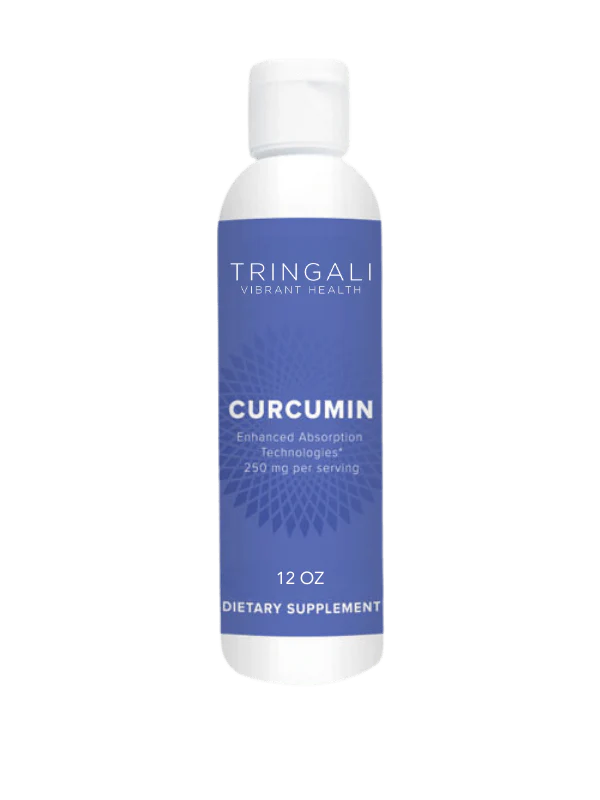
My Favorite Nano-Curcumin
Liquid Curcumin provides 250 mg of curcuminoids delivered in phosphatidylcholine liposomes for optimal absorption and bioavailability support.*